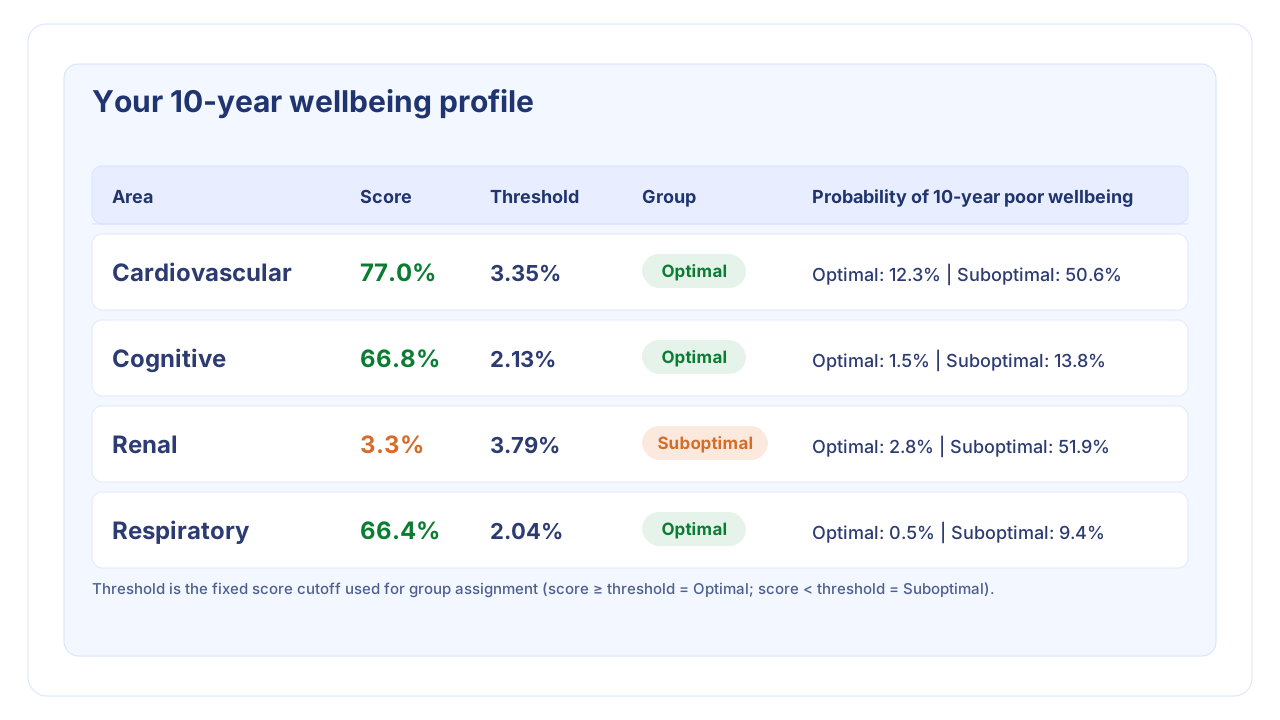
Up to 10 years
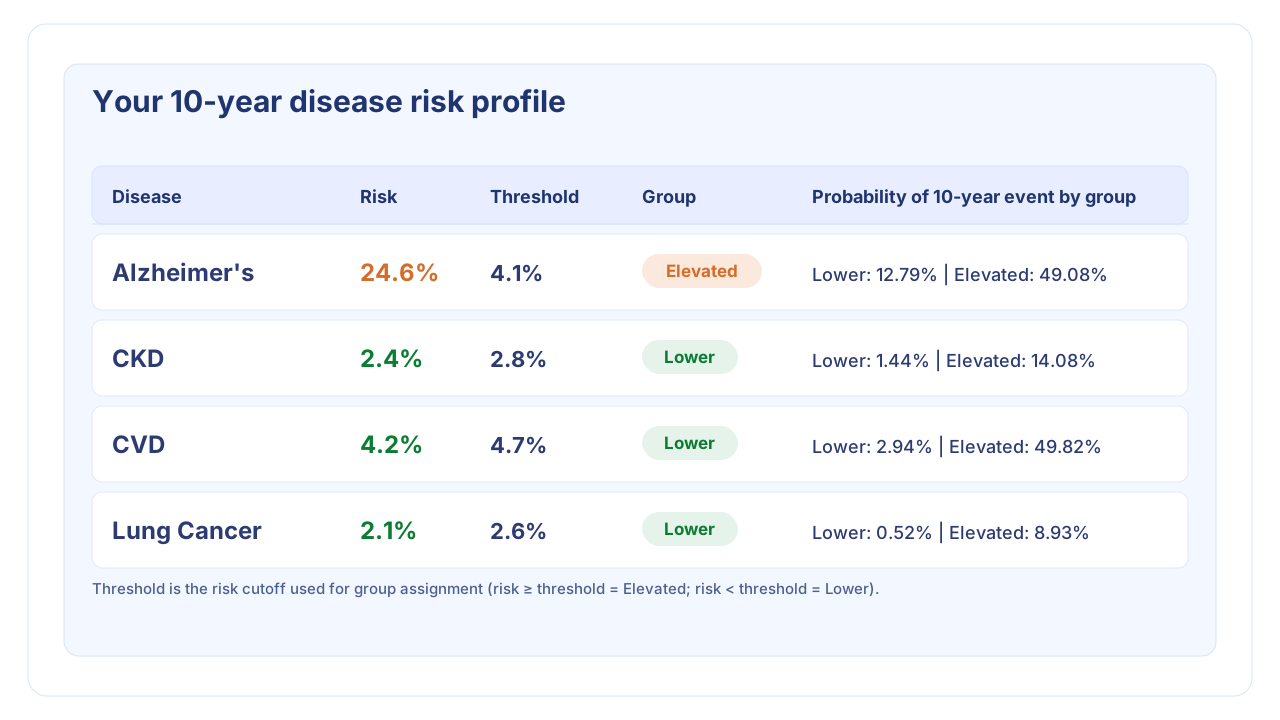
Detection before diagnosis
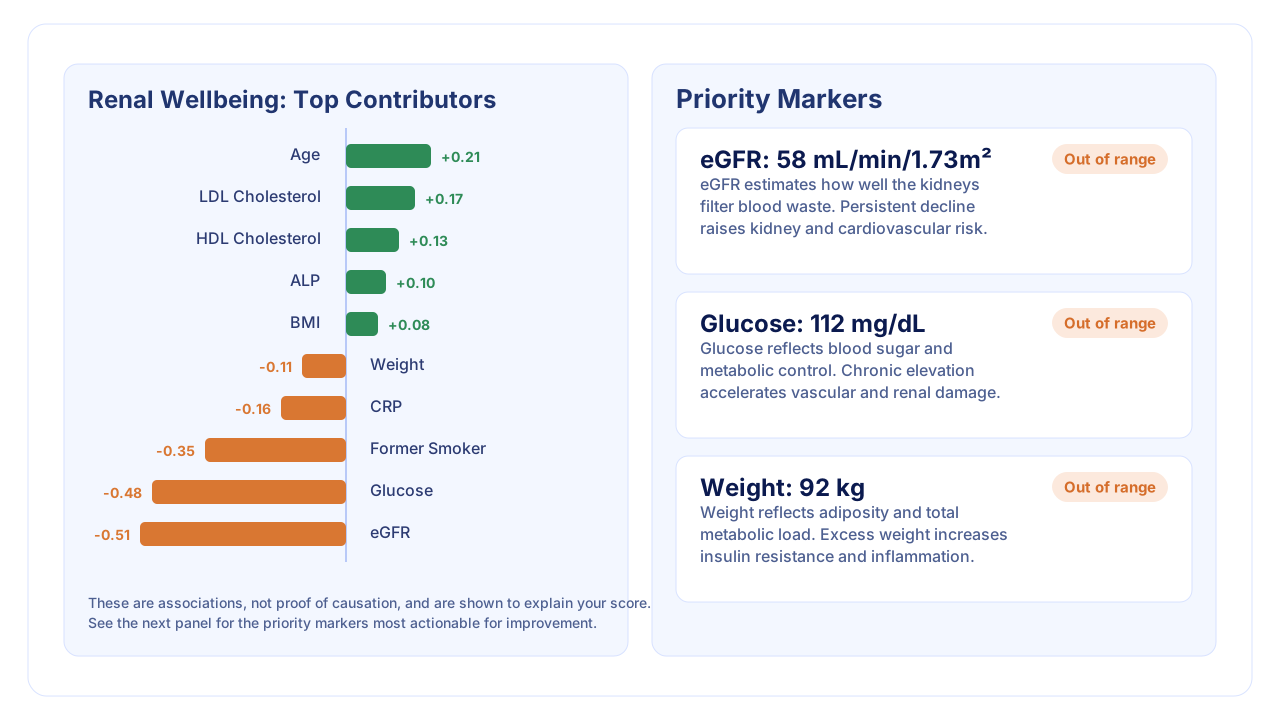
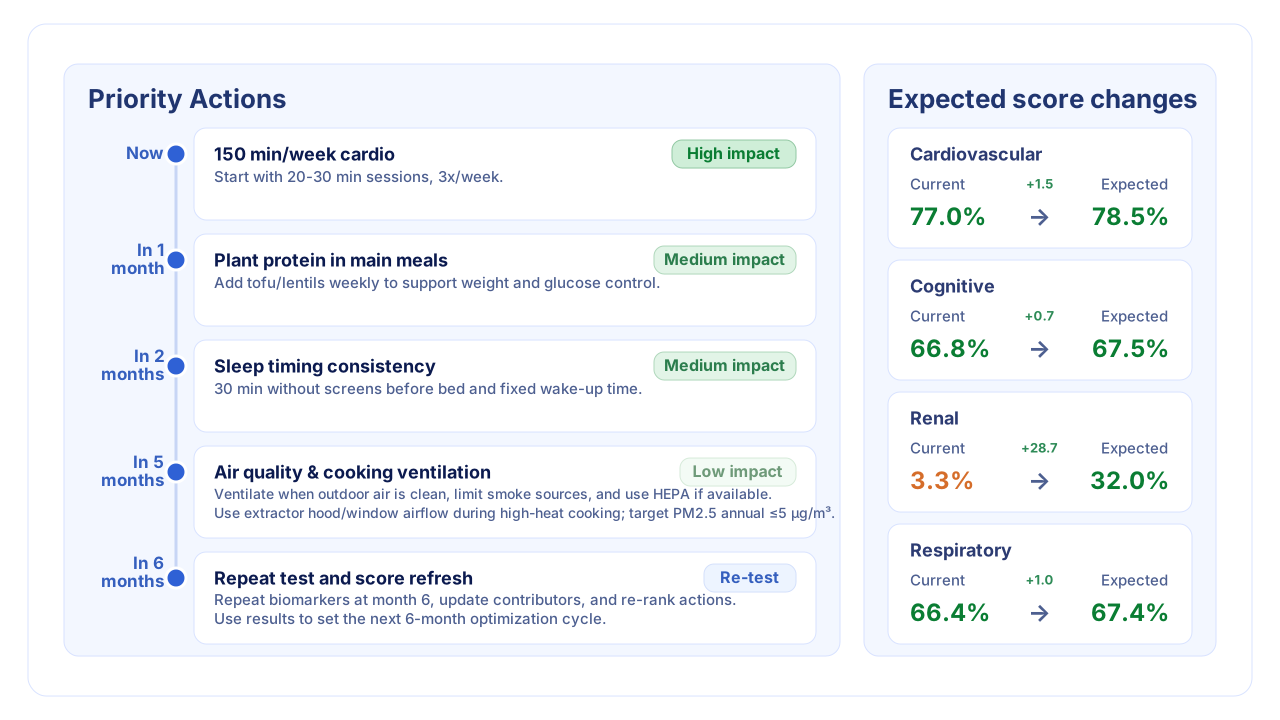
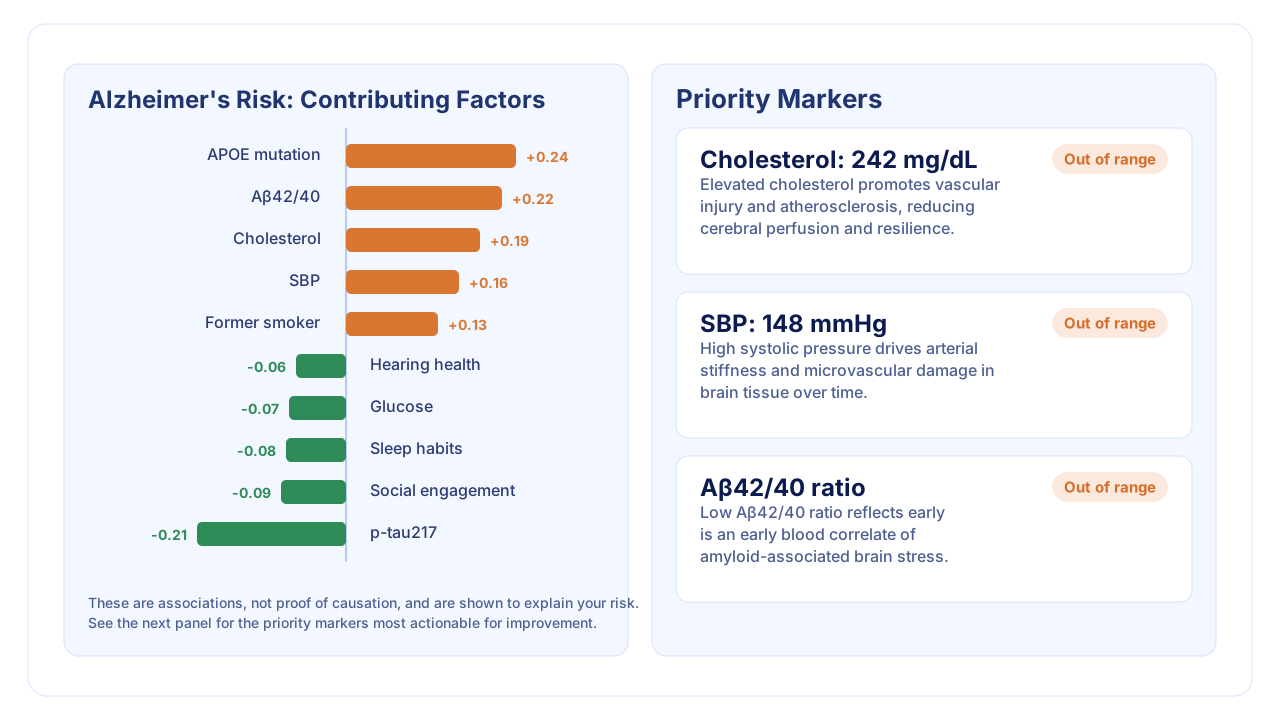
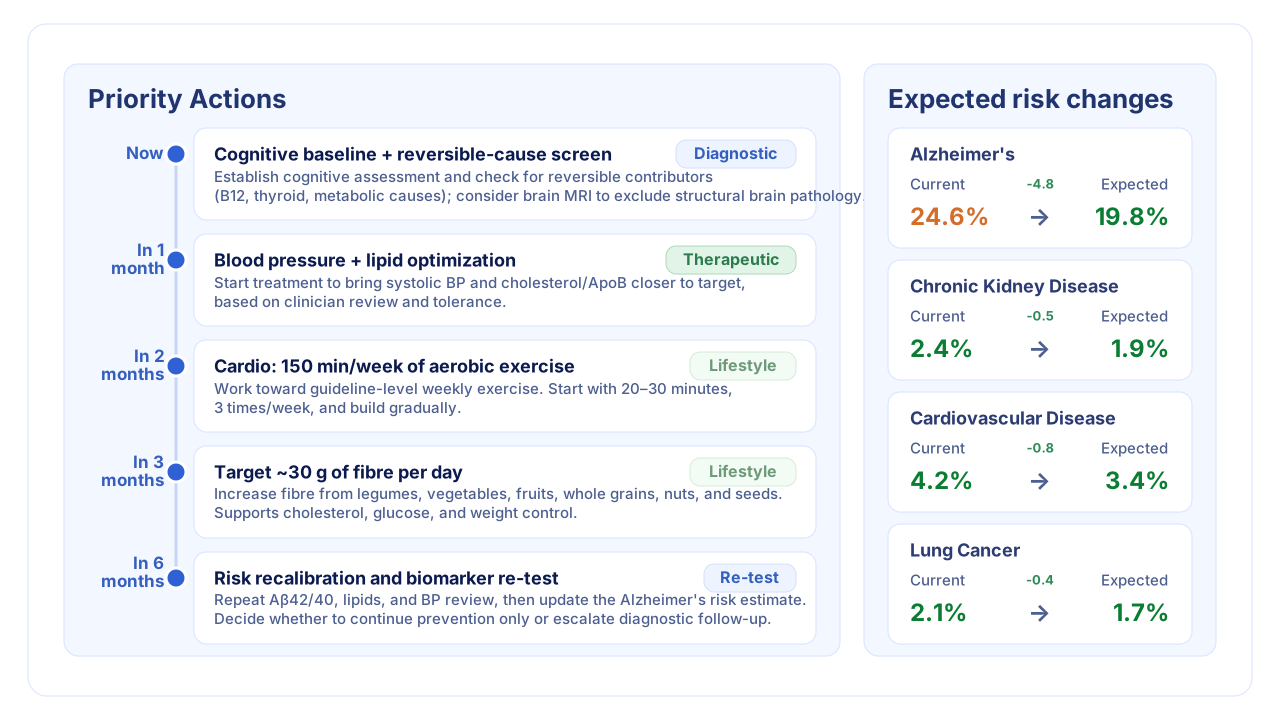
For 4 chronic diseases: Cardiovascular Disease (CVD), Chronic Kidney Disease (CKD), Alzheimer's, and Lung Cancer.
We developed and validated our models using UK Biobank longitudinal data from about 500k participants followed for up to 15 years with linked medical records.
Because outcomes are observed (ground truth diagnoses), model performance can be evaluated directly against real disease events.
2x to 4x
Better Sensitivity (TPR)
Versus Standard of Care at 98% Specificity (TNR).
We benchmarked IduOmics against methods used in current clinical practice:
- CVD: PCE (ASCVD), QRISK3, SCORE2, SCORE2-OP
- Alzheimer's: ANU-ADRI, BDSI, CAIDE, CogDrisk, Framingham Alzheimer's, Walters CPRD DRS
- CKD: CDC SCORED, CKD Prognosis Consortium, Framingham CKD, QKidney, Swiss nephrology
- Lung cancer: Bach, Hoggart, HUNT, LCDRAT, LCRAT, LCRS, LLPv1-v3, Pittsburgh, PLCOall2014, PLCOm2012, Spitz, USPSTF criteria
CSEM spin-off
Technology foundation
Idunox is a CSEM spin-off startup.
CSEM is a public-private, non-profit Swiss technology innovation center founded in 1984, with over 650 people across Switzerland and seven sites nationwide.
CSEM has collaborated with thousands of companies and helped create more than 50 start-up businesses and spin-offs. Among the most recognized are Hilo by Aktiia, Ava, Biospectal, Visienco, 3Brain, and Solaxess; spanning digital health, medtech, neurotechnology, and clean energy.
50 users tested
Strong validation ahead of launch
Our MVP has already been tested by 50 users from a waitlist of more than 300 people, confirming strong early demand and helping refine the user experience.
We will launch IduScore in Switzerland in August 2026 through our first at-home testing partner.
Cybersecurity
Infrastructure and operations
The ingestion and reporting stack applies layered controls: HTTPS/TLS transport, AES-256-GCM encryption at rest, strict CORS allowlists, and IP-based login/auth rate limits.
Operational safeguards include fail-fast secret checks, immutable audit trails, and production security validations (access control, headers, host hardening, and artifact protection).
Data Privacy
Governance and compliance
Privacy controls include pseudonymous subject-ID separation, data minimization, role-based access boundaries, retention/deletion policy governance, and processor oversight.
Program design follows GDPR principles and Swiss nFADP/FDPIC requirements for sensitive health-data processing.